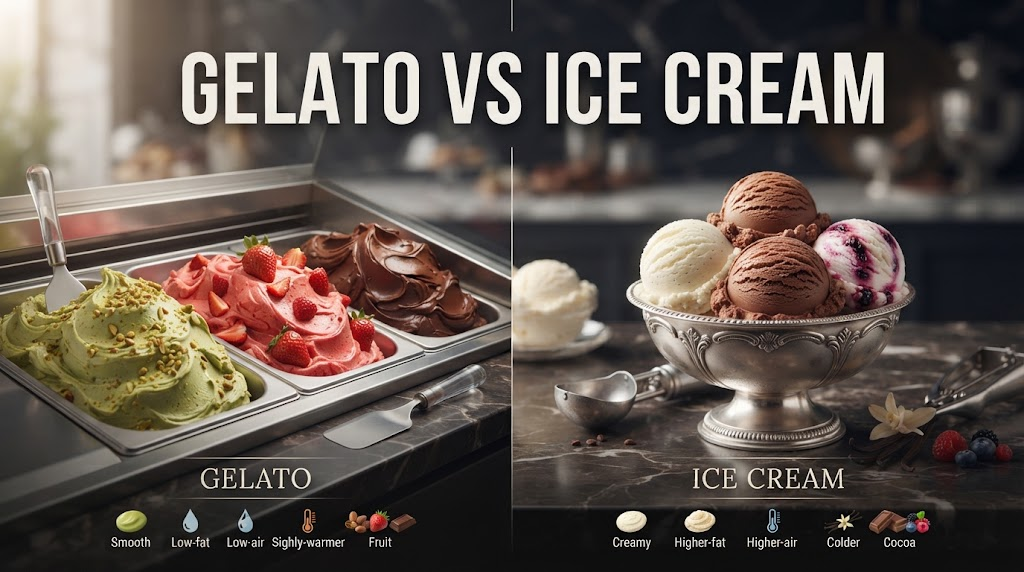
When comparing gelato vs ice cream, both desserts may look similar at first glance, but their ingredients, texture, serving temperature, and production methods create noticeably different experiences. Gelato is traditionally associated with Italian-style frozen desserts, while ice cream is enjoyed in many forms around the world.
The biggest differences in gelato vs ice cream usually come down to the amount of milk fat, the amount of air incorporated during churning, and the temperature at which each dessert is served. These factors influence everything from creaminess to flavor intensity.
If you have ever wondered why gelato feels softer and more intensely flavored while ice cream can seem richer and fluffier, understanding the differences between gelato vs ice cream will make the contrast much easier to appreciate.
Gelato vs Ice Cream: The Main Difference
The simplest way to understand gelato vs ice cream is to look at their traditional formulas and preparation techniques.
Traditional gelato generally contains more milk and less cream than many American-style ice creams. This can result in a lower fat content. Ice cream typically contains a higher proportion of cream, producing a richer and heavier mouthfeel.
Gelato is also churned more slowly, incorporating less air into the mixture. Ice cream is often churned more vigorously, creating greater overrun, which refers to the amount of air incorporated during production.
Because of these differences, gelato tends to be dense and silky, while ice cream is often lighter, fluffier, and richer.
What Is Gelato?
To better understand gelato vs ice cream, it helps to first define gelato.
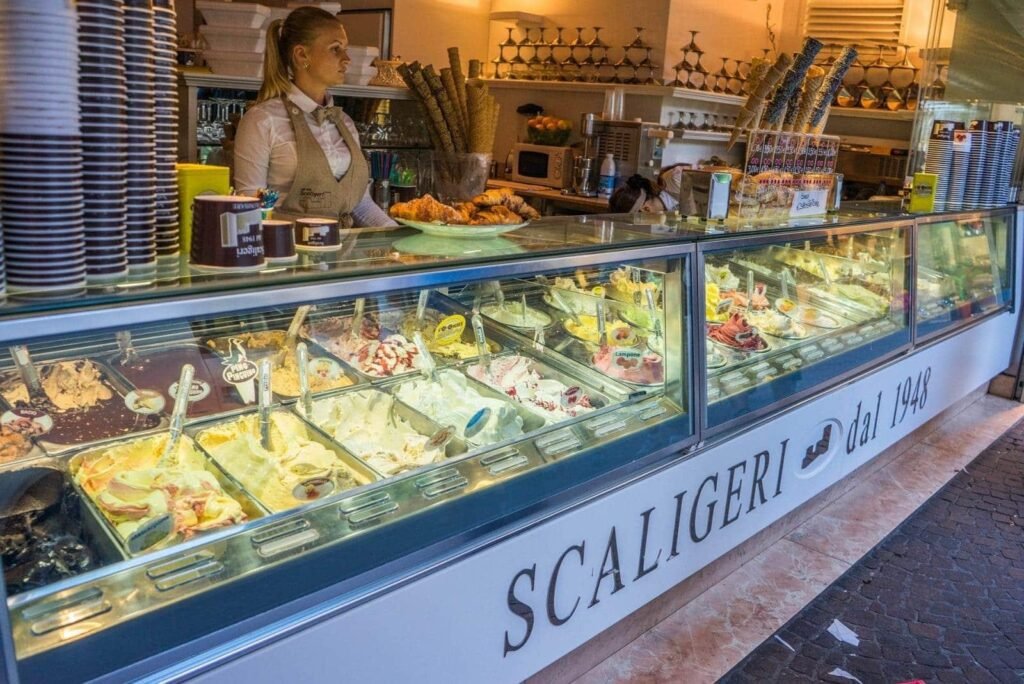
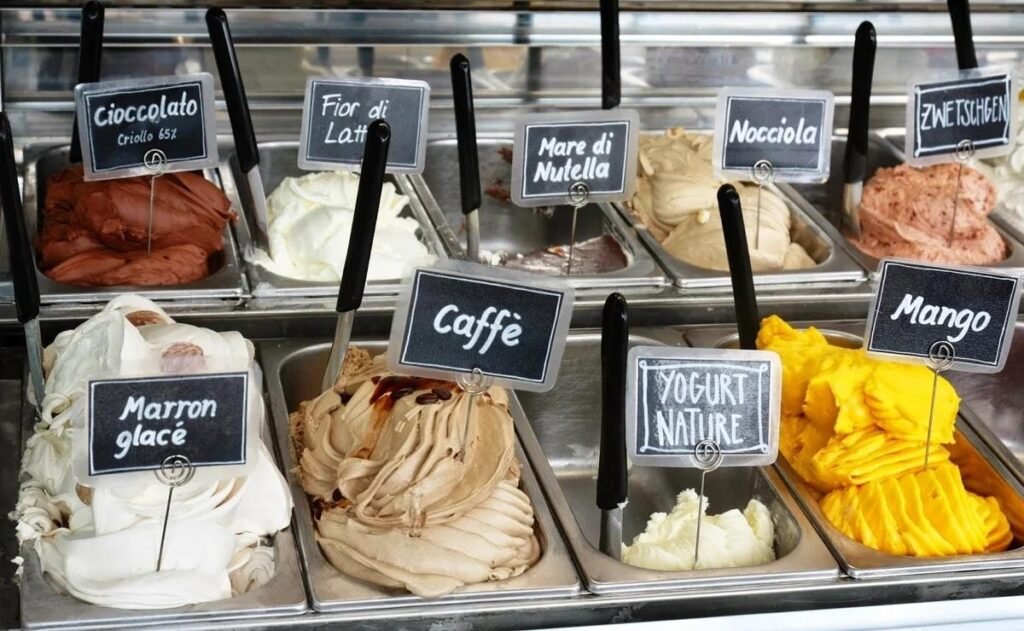
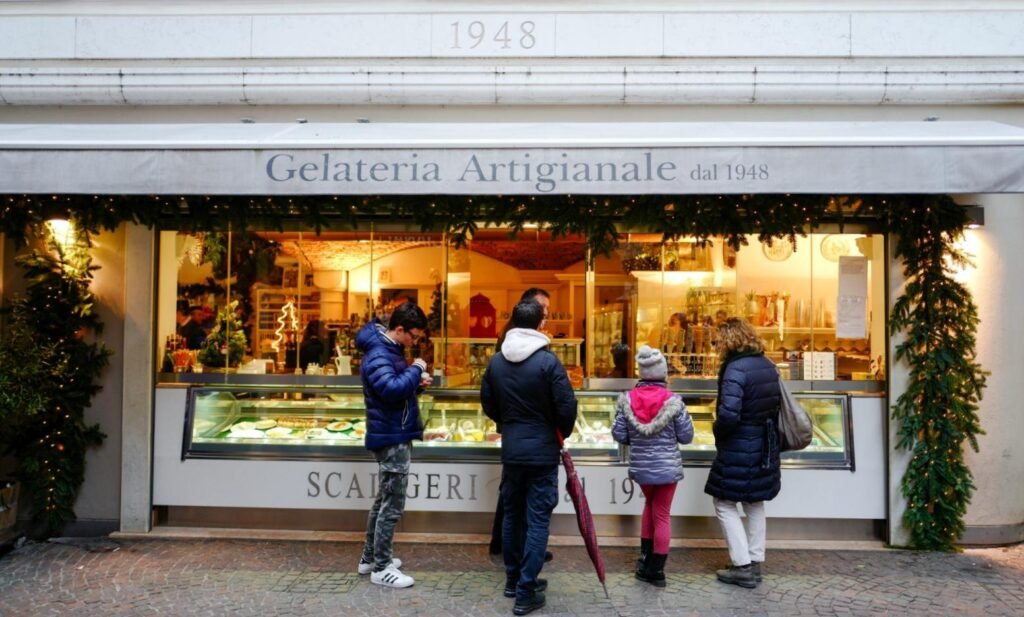
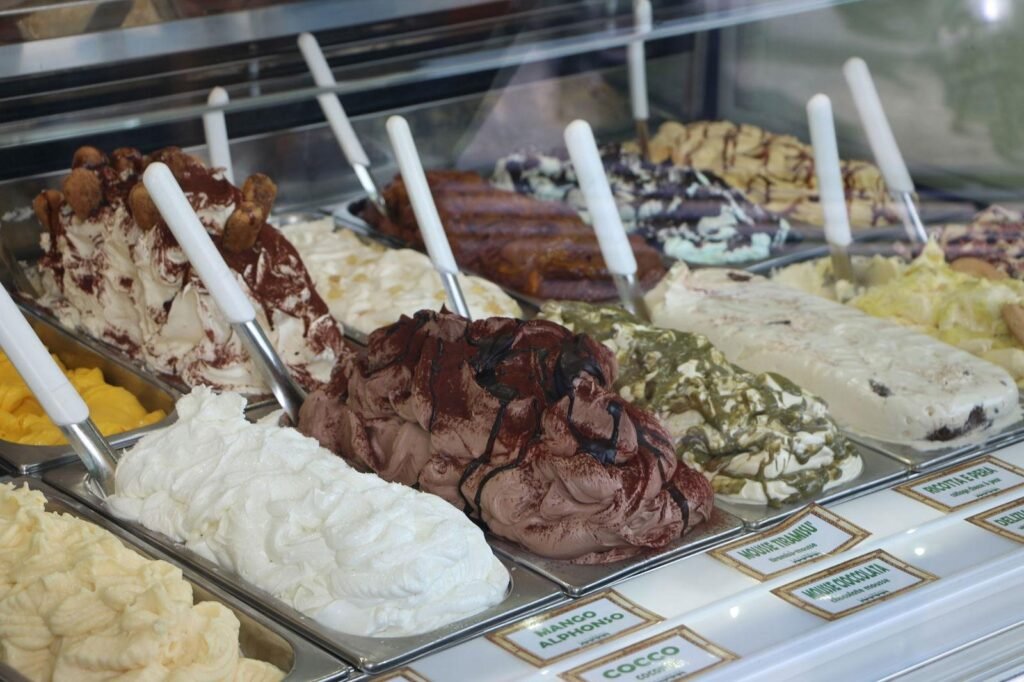
Gelato is an Italian frozen dessert traditionally made with milk, cream, sugar, and flavoring ingredients. Depending on the recipe, it may also contain egg yolks, particularly in certain custard-style flavors.
One of gelato’s defining characteristics is its dense texture. It is typically churned at a slower speed than many ice creams, meaning less air becomes incorporated into the finished product.
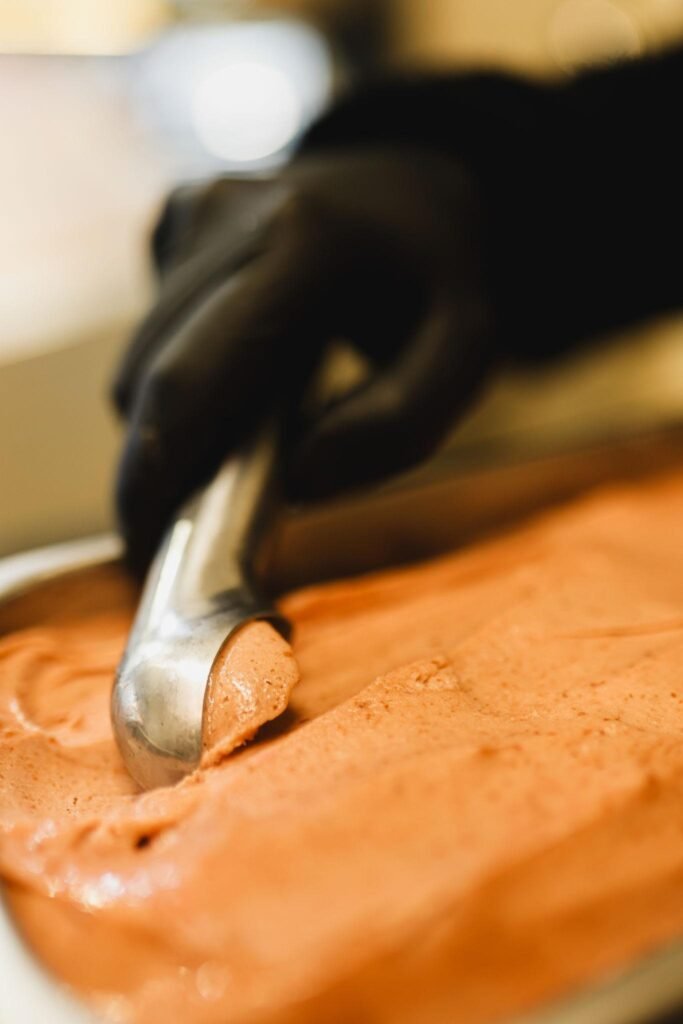
Gelato is also usually served at a slightly warmer temperature than ice cream. This softer serving temperature allows its texture to remain smooth and makes flavors easier to perceive.
The Italian gelato tradition includes a wide range of styles, recipes, and regional influences, so not every gelato follows exactly the same formula.
What Is Ice Cream?
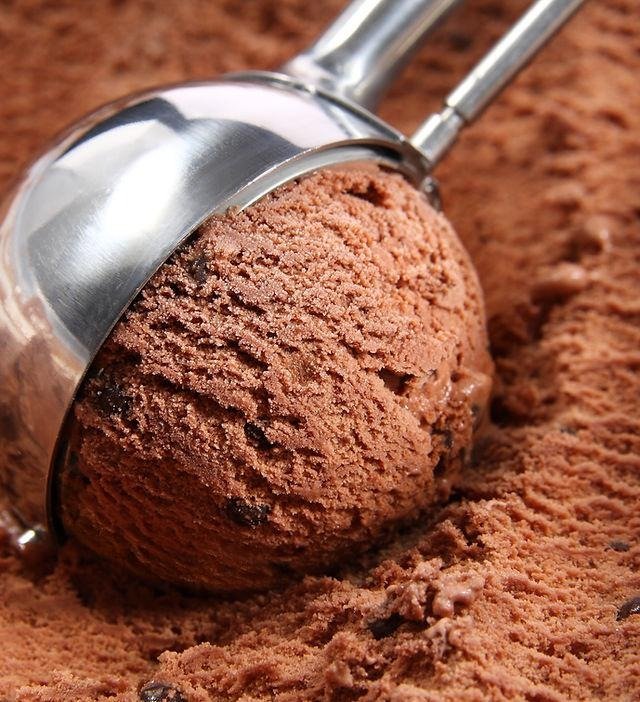
In the gelato vs ice cream comparison, ice cream generally has a higher milk-fat content than traditional gelato, although recipes vary significantly.
Ice cream is commonly made from milk, cream, sugar, and flavorings. Some styles also include egg yolks, which create a custard-like base.
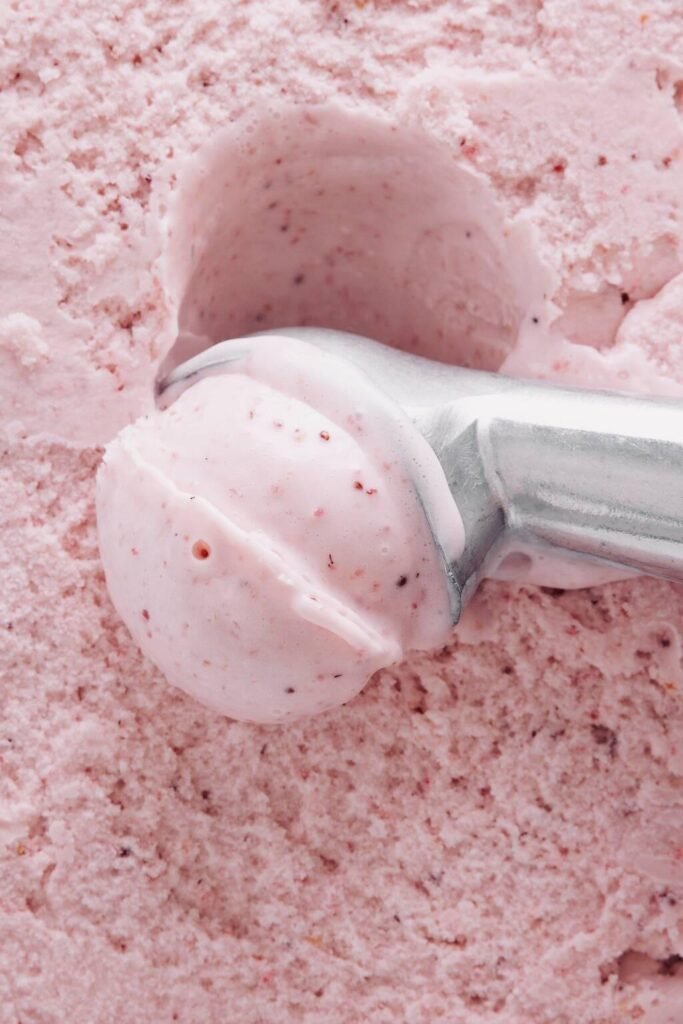
During production, the mixture is frozen while being churned. The churning process incorporates air while preventing the formation of large ice crystals.
The result is typically a creamy frozen dessert with a lighter structure than traditional gelato. Commercial ice cream can vary widely, from dense premium products to lighter varieties with considerably more incorporated air.
Gelato vs Ice Cream: Texture and Creaminess
Texture is one of the easiest ways to notice the difference between gelato vs ice cream.
Gelato is generally dense, smooth, and silky. Its relatively low amount of incorporated air and warmer serving temperature contribute to its soft, almost elastic texture.
Ice cream tends to have a more aerated consistency. Depending on the recipe and manufacturing method, it can feel fluffy, rich, or exceptionally creamy.
Neither texture is automatically better. The preference depends on whether you enjoy a dense, smooth dessert or a richer and more airy frozen treat.
Gelato vs Ice Cream: Fat Content
Fat plays an important role in the gelato vs ice cream discussion.
Traditional gelato commonly uses more milk and less cream than many ice cream recipes. As a result, its fat content is often lower.
Ice cream typically relies more heavily on cream and therefore can contain more milk fat. Fat contributes to richness, smoothness, and the way a frozen dessert feels in the mouth.
However, recipes vary considerably. Some premium gelatos can be relatively rich, while some ice creams are formulated with lower fat levels.
Therefore, the terms “gelato” and “ice cream” alone cannot tell you the exact nutritional composition of a particular product.
Why Does Gelato Taste More Intense?
Many people notice that flavors can seem particularly strong when comparing gelato vs ice cream.
One reason is serving temperature. Gelato is generally served warmer than ice cream, and warmer temperatures can make flavors and aromas easier to perceive.
Gelato’s dense texture can also contribute to a concentrated sensory experience. Because there is less incorporated air, each spoonful has a substantial texture rather than the lighter structure found in some ice creams.
This does not mean gelato contains more flavoring in every case. Ingredients and recipes differ, but temperature and texture can influence how strongly the flavor is experienced.
Gelato vs Ice Cream: Serving Temperature
Serving temperature is another major distinction in gelato vs ice cream.
Ice cream is typically stored and served at a colder temperature. This helps it maintain a firm structure but can also make it feel harder immediately after being removed from a freezer.
Gelato is traditionally stored and served somewhat warmer. This allows it to maintain its characteristic soft and smooth consistency.
That temperature difference is one reason a scoop of gelato can appear noticeably softer than a scoop of ice cream.
Gelato vs Ice Cream: Air and Overrun
Air is an often-overlooked factor in gelato vs ice cream.
During churning, air is incorporated into the frozen mixture. The percentage of air added is known as overrun.
Traditional gelato generally contains less incorporated air than many ice creams. This creates a denser product.
Ice cream can contain considerably more air, depending on its style and manufacturing process. More air can make the dessert feel lighter and increase its volume.
This is why two containers with the same weight can sometimes appear very different in size.
Is Gelato Healthier Than Ice Cream?
The question of whether gelato is healthier is common when researching gelato vs ice cream, but there is no universal answer.
Gelato may contain less fat than some traditional ice creams because it often uses more milk and less cream. However, both desserts can contain substantial amounts of added sugar and calories.
The nutritional value depends on the specific recipe, serving size, ingredients, and toppings.
Fruit-based gelato may have a different nutritional profile from chocolate gelato, just as premium custard ice cream can differ considerably from a lighter commercial variety.
For accurate nutritional information, checking the product’s nutrition label is more reliable than assuming one category is automatically healthier.
Gelato vs Ice Cream: Which Has More Calories?
Calories vary significantly between individual products, making broad comparisons between gelato vs ice cream difficult.
A traditional gelato can have fewer calories per serving if it contains less fat, but the difference may disappear depending on sugar content and serving size.
Ice cream can have more calories when it contains higher amounts of cream, fat, chocolate, nuts, or other rich ingredients.
Portion size is also important. A smaller serving of a richer dessert may contain fewer calories than a large serving of a lower-fat dessert.
Gelato vs Ice Cream: Which One Should You Choose?
Choosing between gelato vs ice cream ultimately comes down to personal preference.
If you enjoy dense, silky textures and pronounced flavors, gelato may be your preferred option. Its warmer serving temperature and lower incorporation of air create a distinctive eating experience.
If you prefer a colder, richer, and sometimes fluffier dessert, traditional ice cream may be more appealing.
There is also enormous variety within both categories. Trying different flavors and styles can be more rewarding than treating gelato and ice cream as completely uniform products.
Final Thoughts on Gelato vs Ice Cream
The gelato vs ice cream debate is really a comparison of two closely related but distinctly prepared frozen desserts.
Gelato is traditionally denser, contains less incorporated air, and is served somewhat warmer. Ice cream is often higher in milk fat, colder, and more aerated. These differences affect texture, richness, flavor perception, and overall mouthfeel.
Neither dessert is universally better. The best choice depends on your taste and the particular product you are eating.
Ultimately, understanding gelato vs ice cream makes it easier to appreciate why these frozen desserts can look similar while providing completely different experiences. Whether you prefer silky Italian gelato or rich classic ice cream, both have earned their place among the world’s favorite frozen treats.
FAQs About Gelato vs Ice Cream
What is the main difference between gelato and ice cream?
Gelato generally contains less fat and air and is served warmer, giving it a denser and silkier texture than many ice creams.
Is gelato healthier than ice cream?
Not necessarily. Gelato may contain less fat, but sugar and calorie levels vary by recipe and serving size.
Why is gelato softer than ice cream?
Gelato is usually served at a warmer temperature and contains less incorporated air, which contributes to its soft, dense texture.
Does gelato have less fat than ice cream?
Traditional gelato often has less milk fat than many ice creams because it commonly uses more milk and less cream, but recipes vary.
Which tastes stronger, gelato or ice cream?
Gelato can taste more intense because it is served warmer and has a dense texture, which can make flavors and aromas easier to perceive.
MORE BLOG: