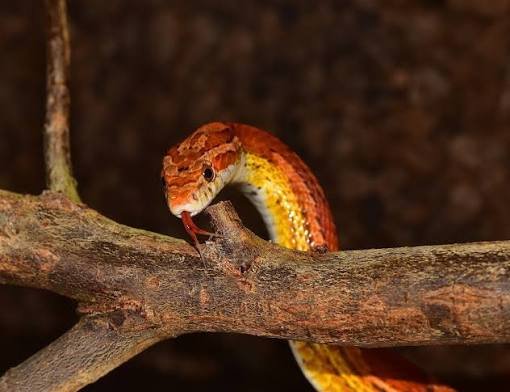
Few pet reptiles have earned the kind of reputation the corn snake has among first-time snake owners. Calm, manageable, and visually striking, the corn snake has become something of a gateway species into the world of reptile keeping, and for good reason. If you’re considering bringing one home, or you already have and want to get the care right, this guide covers everything worth knowing.
Native to the southeastern and central United States, the corn snake has built a loyal following among hobbyists precisely because it strikes a rare balance: genuinely easy to care for, yet fascinating enough to keep even experienced keepers engaged for years. Let’s walk through what makes this species such a popular choice and how to give one a genuinely healthy life in captivity.
What Is a Corn Snake?
The corn snake, scientifically known as Pantherophis guttatus, is a non-venomous constrictor native to fields, forests, and abandoned buildings throughout the southeastern United States. Its name reportedly comes from the checkered pattern on its belly, which resembles the kernel pattern found on Indian corn, or possibly from its historical habit of being found near grain stores where it hunted rodents.
According to the Smithsonian’s National Zoo, corn snakes typically grow between three and five feet in length, making them a manageable size for home enclosures compared to many larger constrictor species. That combination of manageable size and generally docile temperament is a big part of why the corn snake remains one of the most recommended reptiles for beginner keepers.
Corn Snake Appearance and Color Morphs
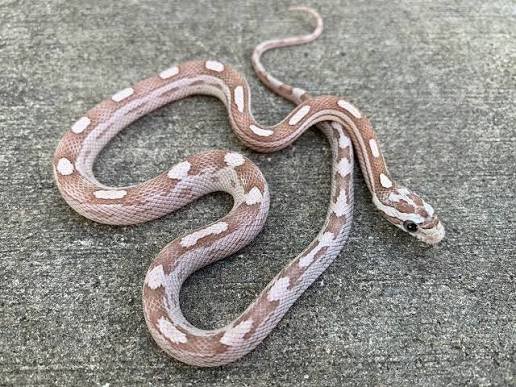
One of the most appealing aspects of the corn snake is its visual variety. In the wild, corn snakes typically display an orange or brownish-yellow base color with reddish-brown blotches outlined in black. Decades of selective captive breeding, however, have produced an enormous range of color and pattern variations, commonly referred to as morphs.
Popular corn snake morphs include albino, snow, and amelanistic variations, each offering strikingly different color combinations while retaining the same manageable size and temperament that made the species popular in the first place. This visual diversity has helped keep corn snake breeding a genuinely active and creative hobby within the reptile community.
Setting Up a Proper Corn Snake Habitat
Creating an appropriate enclosure is one of the most important steps in responsible corn snake ownership. A single adult corn snake generally does well in a 20 to 40 gallon tank, though larger enclosures are always beneficial when space allows. The setup should include a secure, escape-proof lid, since corn snakes are skilled escape artists capable of squeezing through surprisingly small gaps.
Substrate choices like aspen shavings or coconut fiber work well for corn snakes, offering both comfort and reasonable humidity retention. It’s also essential to include hiding spots on both the warm and cool sides of the enclosure, since corn snakes rely heavily on feeling secure and will show visible stress if they lack adequate places to retreat.
Temperature and Humidity Requirements
Corn snakes require a temperature gradient within their enclosure, generally ranging from around 75 to 85 degrees Fahrenheit on the warm side, with a slightly cooler zone on the opposite end. This gradient allows the snake to thermoregulate naturally, moving between warmer and cooler areas as needed throughout the day.
Humidity should typically stay in the range of 40 to 50 percent, though slightly higher humidity is beneficial during shedding periods to help ensure a clean, complete shed. Maintaining these conditions consistently is one of the most important ongoing responsibilities of corn snake ownership, and monitoring tools like digital thermometers and hygrometers make this process significantly easier.
Feeding and Diet for a Corn Snake
In the wild, corn snakes primarily eat small rodents, and captive corn snakes are typically fed appropriately sized frozen-thawed mice throughout their lives. Feeding frequency depends on age, with young corn snakes generally eating every five to seven days, while adults can often be fed every seven to ten days.
It’s important never to feed a corn snake live prey without direct supervision, since live rodents can injure a snake during feeding. Most experienced keepers and veterinary reptile specialists strongly recommend frozen-thawed prey as the safer, more standard practice for pet corn snakes.
Signs of a Healthy Feeding Routine
A healthy corn snake typically shows consistent interest in food, maintains steady weight, and sheds its skin in a single, complete piece roughly every four to six weeks, depending on age and growth rate. Irregular shedding or a sudden loss of appetite can sometimes indicate an issue with habitat conditions, such as incorrect humidity or temperature, and is worth monitoring closely.
For readers interested in comparing feeding routines across different beginner-friendly reptiles, our related guide on setting up a first reptile enclosure covers similar husbandry basics that apply broadly across several popular pet snake species.
Handling and Temperament of Corn Snakes
Corn snakes are widely regarded as one of the calmest and most handleable pet snake species available, making them particularly well suited for first-time reptile owners, including many families with older children. With regular, gentle handling, most corn snakes become comfortable being held and rarely display defensive behavior once acclimated to their owner.
That said, even the calmest corn snake benefits from a consistent, patient handling routine, especially in the early weeks after adoption. Allowing a new corn snake time to settle into its enclosure before regular handling begins tends to produce a more confident, less stressed animal over the long term.
Lifespan and Long-Term Commitment
One factor potential owners often underestimate is just how long a corn snake can live. With proper care, corn snakes commonly live between 15 and 20 years in captivity, according to information published by reptile care organizations including the Association of Reptile and Amphibian Veterinarians. That kind of lifespan means adopting a corn snake is a genuinely long-term commitment, not a short-lived pet experience.
Understanding this lifespan upfront helps set realistic expectations before bringing a corn snake home, ensuring owners are prepared for well over a decade of consistent care rather than assuming a much shorter reptile lifespan.
Why the Corn Snake Remains a Top Choice for Beginners
Between its manageable size, calm temperament, striking color variety, and relatively straightforward care requirements, it’s easy to see why the corn snake continues to be recommended so consistently by reptile veterinarians, breeders, and experienced keepers alike. Few beginner-friendly reptiles offer such a strong balance between ease of care and long-term engagement for the owner.
Whether you’re drawn to their striking morphs, their gentle disposition, or simply looking for a lower-maintenance alternative to more demanding pets, the corn snake continues to earn its reputation as one of the most rewarding first reptiles a new keeper can choose.
Conclusion
The corn snake stands out as one of the most beginner-friendly, visually diverse, and genuinely rewarding pet reptiles available today. With proper habitat setup, consistent feeding, and regular gentle handling, a corn snake can thrive for well over a decade, offering new and experienced keepers alike a manageable yet endlessly interesting reptile companion. Understanding their specific care needs upfront sets the foundation for a long, healthy relationship with this remarkably adaptable species.
Frequently Asked Questions
Are corn snakes good for beginners?
Yes, corn snakes are widely considered one of the best beginner pet snakes due to their manageable size, calm temperament, and straightforward care requirements.
How big do corn snakes get?
Corn snakes typically grow between three and five feet in length as adults.
How long do corn snakes live?
With proper care, corn snakes commonly live between 15 and 20 years in captivity.
What do corn snakes eat?
Corn snakes primarily eat appropriately sized frozen-thawed mice, with feeding frequency depending on their age.
Are corn snakes dangerous to handle?
No, corn snakes are non-venomous constrictors and are generally very docile, making them safe for regular, gentle handling.
more related blog

