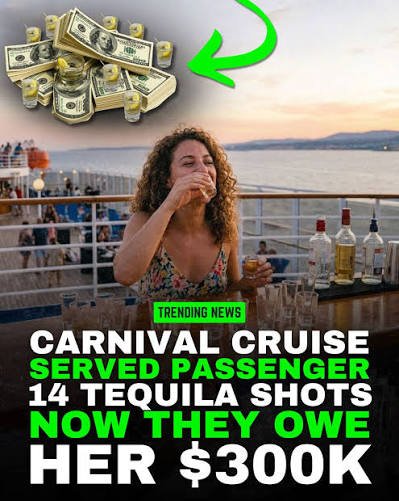
A federal jury’s decision in a Miami courtroom has put cruise lines on notice, and the Carnival tequila lawsuit verdict is quickly becoming one of the most talked-about legal stories in the travel industry this year. The case centered on a passenger served more than a dozen tequila shots in a single day, followed by a serious fall that left her with lasting injuries. This article breaks down exactly what happened, how the jury ruled, and what the Carnival tequila lawsuit verdict could mean for future cruise passengers.
What Happened Aboard the Carnival Radiance
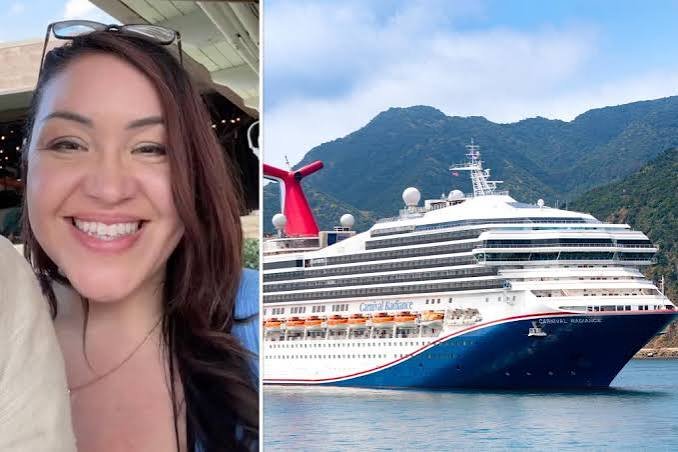
The case centered on Diana Sanders, a 45-year-old neonatal intensive care nurse from Vacaville, California, who was a passenger aboard the Carnival Radiance on January 5, 2024. According to court documents, Sanders was served at least 14 shots of tequila over a span of roughly eight hours and thirty-nine minutes, between approximately 2:58 p.m. and 11:37 p.m. That pace of service became the central issue at the heart of the Carnival tequila lawsuit verdict that followed.
While intoxicated, Sanders suffered a severe fall down a flight of stairs, resulting in injuries including a concussion, headaches, a possible traumatic brain injury, back injuries, tailbone injuries, and bruising. Less than an hour after her final drink, she fell and sustained the concussion and related injuries that ultimately formed the basis of her lawsuit against Carnival. That timeline, showing continuous alcohol service right up until the moment of the fall, became a critical piece of evidence once the case reached trial.
How the Case Reached a Jury Trial
Sanders’ legal team argued that Carnival’s crew members continued serving her alcohol well past the point where they should have recognized signs of intoxication. Her attorneys contended that Carnival had created an onboard environment in which alcohol consumption is treated as central to the cruise experience, making it easier for passengers to become dangerously overserved without meaningful intervention from staff.
Carnival, for its part, pushed back hard against the claims before the case ever reached a verdict. The company argued that Sanders failed to identify any specific crew member who overserved her or even which bar she had been drinking at, making it difficult to point to a single negligent employee. Carnival’s lawyers further argued that there was no clear evidence any crew member knew or should have known she was intoxicated, noting the absence of allegations that she had been stumbling, slurring her words, or sleeping at a bar. Despite that defense, the case proceeded to a full jury trial in Miami.
The Carnival Tequila Lawsuit Verdict Explained
A federal jury ultimately ordered Carnival Corporation to pay $300,000 in damages to Sanders. According to the verdict form, jurors determined that Carnival was 60 percent responsible for what happened, while Sanders herself was found 40 percent at fault. That split liability finding is one of the more notable details of the Carnival tequila lawsuit verdict, since it shows the jury didn’t view the incident as entirely one-sided.
What’s especially striking about this outcome is the dollar amount involved. The jury’s $300,000 award actually exceeded the $250,000 that Sanders’ legal team had originally requested at trial, a detail confirmed by one of her attorneys, Spencer Aronfeld. That kind of result, where a jury awards more than what was specifically asked for, tends to signal that jurors found the underlying conduct particularly troubling.
Carnival’s Response to the Verdict
Following the ruling, Carnival made clear it does not intend to accept the outcome quietly. A Carnival Corporation spokesperson stated that the company “respectfully disagrees with the verdict and believes there are grounds for a new trial and appeal, which it will pursue.” That response suggests the Carnival tequila lawsuit verdict may not be the final word in this case, with an appeal process likely to unfold in the coming months.
Legal observers note that overturning a jury verdict on appeal is often difficult, particularly when the jury heard extensive factual testimony and reached a clear, documented conclusion on liability. Still, Carnival’s stated intent to pursue further legal action means passengers and industry watchers alike should expect this story to continue developing.
Why This Case Matters for the Cruise Industry
The Carnival tequila lawsuit verdict lands at a moment when scrutiny of onboard alcohol service policies across the cruise industry is intensifying. A similar lawsuit was filed against Royal Caribbean the previous December, alleging that a 35-year-old California man died aboard one of its ships after being served at least 33 alcoholic drinks. Taken together, these cases suggest a broader pattern of litigation targeting how cruise lines monitor and manage passenger alcohol consumption.
For consumers, cases like this raise real questions about where personal responsibility ends and corporate liability begins when a company profits from unlimited drink packages and constant onboard alcohol availability. Readers interested in how liability gets divided in similar hospitality and travel injury cases can check our broader coverage of comparative negligence claims in the tourism industry, which breaks down how courts typically weigh shared fault in these situations.
What Attorneys Are Saying About the Outcome
Spencer Aronfeld, one of Sanders’ attorneys, noted that proving overservice of alcohol is often genuinely difficult, since many people instinctively believe individuals should bear sole responsibility for their own drinking. He added that while Sanders acknowledged her own personal responsibility, the core legal issue was Carnival’s refusal to accept any corporate responsibility for continuing to serve someone who was clearly intoxicated. That framing captures exactly why the Carnival tequila lawsuit verdict has drawn so much attention beyond the immediate parties involved.
For readers wanting to understand more about the legal standards courts apply in these types of injury claims, the offers general background on how federal civil trials and jury verdicts function.
Final Thoughts
The Carnival tequila lawsuit verdict represents a significant moment in ongoing conversations about cruise line responsibility when it comes to alcohol service and passenger safety. With a Miami jury awarding $300,000 and assigning 60 percent of the fault to Carnival, the ruling sends a clear signal that courts are willing to hold cruise operators accountable when overservice appears to contribute directly to serious injury. As Carnival pursues an appeal, this case is likely to remain a reference point in future litigation involving alcohol-related injuries at sea.
Frequently Asked Questions
How much did Carnival have to pay in the tequila lawsuit verdict?
A federal jury awarded Diana Sanders $300,000 in damages after finding Carnival partly responsible for overserving her alcohol.
How many tequila shots was the passenger served?
Court documents show she was served at least 14 shots of tequila over roughly eight and a half hours.
Is Carnival appealing the verdict?
Yes, a Carnival spokesperson confirmed the company disagrees with the ruling and plans to pursue a new trial and appeal.
How did the jury divide responsibility in the case?
Jurors found Carnival 60 percent responsible for the incident, while the passenger was found 40 percent at fault.
What injuries did the passenger suffer after the fall?
She sustained a concussion, possible traumatic brain injury, back and tailbone injuries, headaches, and bruising following her fall.
more related blog