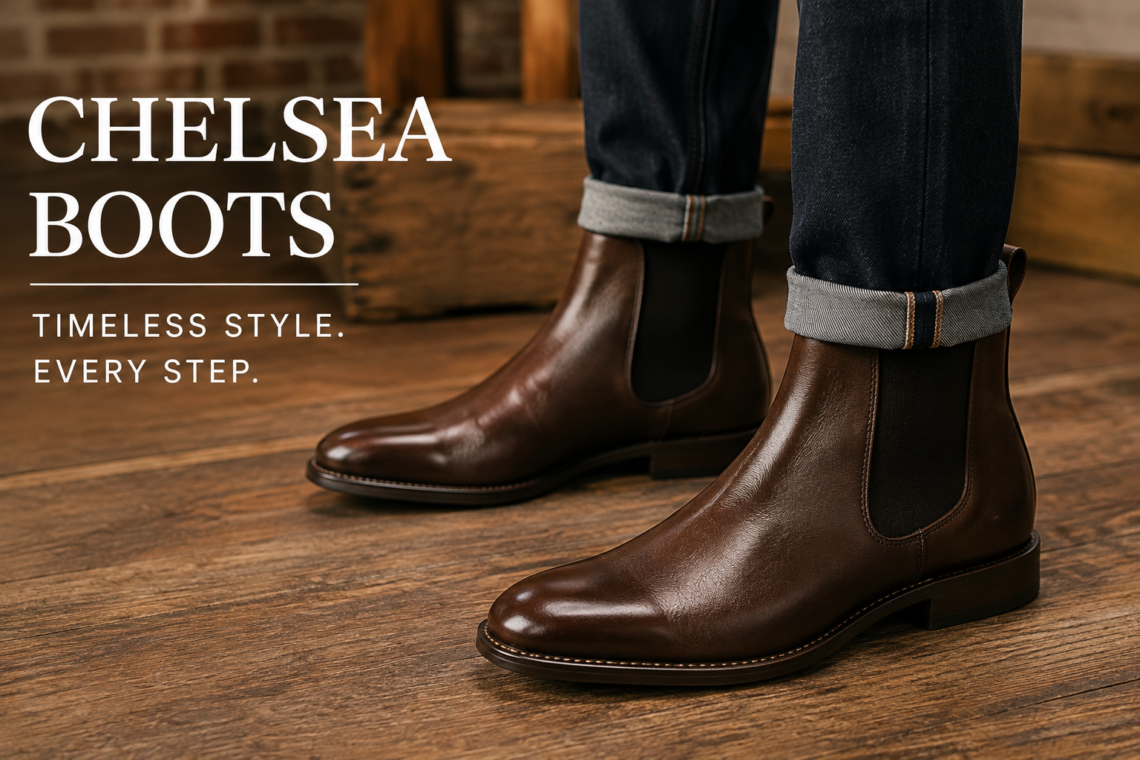
Chelsea boots have remained one of the most recognizable footwear styles for generations. Their clean silhouette, ankle-high shape, elastic side panels, and slip-on construction make them easy to wear while adding a polished touch to almost any outfit.
Whether you prefer classic leather Chelsea boots, relaxed suede designs, or modern chunky soles, this footwear style can work across casual, smart-casual, and formal wardrobes. Their versatility is one of the biggest reasons Chelsea boots continue to appear in fashion collections year after year.
What Are Chelsea Boots?
Chelsea boots are ankle-length boots traditionally identified by their close-fitting shape and elasticated side panels. Most designs also feature a small pull tab at the front or back, making them easy to put on and remove.
Unlike lace-up boots, Chelsea boots do not require traditional fasteners. The elastic sections allow the foot to slide into the boot while helping the upper maintain a streamlined appearance.
The basic design can be traced to the 19th century. British shoemaker Joseph Sparkes Hall developed patented elasticated boots, and the Victoria and Albert Museum identifies his designs as important predecessors of the modern Chelsea boot. Queen Victoria became an early wearer of the style, helping popularize elastic-sided footwear.

The History of Chelsea Boots
The history of Chelsea boots is closely connected with Victorian footwear innovation. Before elastic technology became practical, boots commonly relied on buttons, laces, or other fastening systems. Elastic panels offered a simpler alternative.
Joseph Sparkes Hall patented an elastic boot design in the 1830s. According to the V&A, his work eventually produced the type of elastic-sided ankle boot that became a direct ancestor of today’s Chelsea boots.
The style later experienced another major transformation during the 1960s. Chelsea boots became closely associated with British youth culture, music, and the fashionable King’s Road area of London.
The Metropolitan Museum of Art notes that elastic-sided slip-on boots returned to fashion during the 1960s, particularly among younger trendsetters. A narrow silhouette and reduced bulk made them especially suitable for the slim trousers popular during that period.
Why Chelsea Boots Are Still Popular
One of the strongest qualities of Chelsea boots is their versatility. A well-made pair can move effortlessly between different parts of your wardrobe.
Black leather Chelsea boots can create a refined appearance with tailored trousers or a suit. Brown leather versions work especially well with chinos, denim, and smart-casual clothing. Suede Chelsea boots offer a softer and more relaxed appearance that is particularly suitable for autumn and winter outfits.
The minimalist construction also gives Chelsea boots a timeless appearance. Instead of depending heavily on decorative details, the design relies on its proportions, materials, and clean lines.
This simplicity makes Chelsea boots easier to wear with changing fashion trends. A pair purchased today can still look appropriate years later.
Leather Chelsea Boots
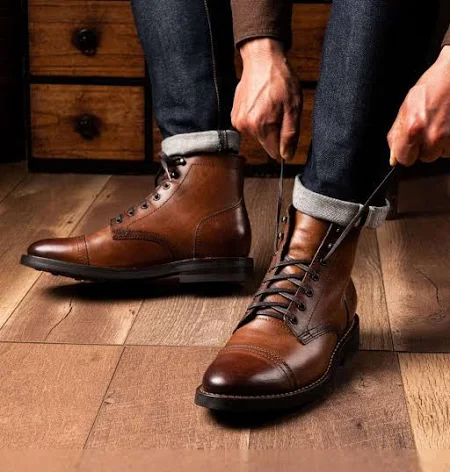
Leather Chelsea boots are among the most versatile choices available. Smooth leather creates a polished appearance that can easily be dressed up or down.
Black leather is particularly useful for formal and evening outfits. It can be paired with black trousers, dark denim, tailored pants, or a well-fitted suit.
Brown leather Chelsea boots offer more visual warmth. Shades ranging from tan to dark chocolate can complement navy, gray, olive, beige, and denim.
When choosing leather Chelsea boots, pay attention to the quality of the upper, stitching, sole construction, and overall fit. A simple design made with good materials can often look better than a heavily decorated boot.

Suede Chelsea Boots
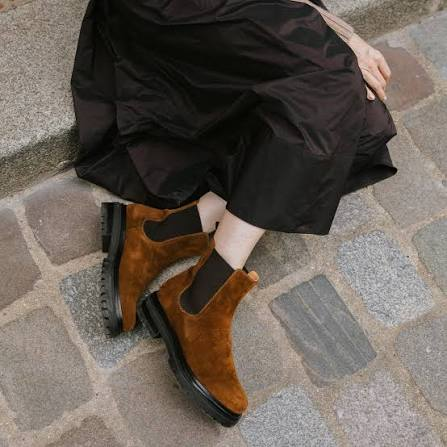
Suede Chelsea boots provide a more relaxed alternative to polished leather. Their soft texture creates depth and works particularly well with casual and smart-casual clothing.
Brown, taupe, sand, and dark suede shades can be paired with jeans, chinos, corduroy trousers, knitwear, and casual jackets.
Suede does require additional care because its surface can be more vulnerable to moisture and staining. A suede brush and suitable protective product can help maintain the appearance of the material.
For rainy conditions, always check the manufacturer’s care instructions rather than assuming every protective spray or cleaning product is suitable.
Chelsea Boots for Men
Chelsea boots have become a staple in men’s fashion because they combine the structure of traditional boots with the simplicity of slip-on footwear.
For a casual outfit, black or brown Chelsea boots can be worn with slim or straight-leg jeans and a sweater, overshirt, or casual jacket. For a smarter appearance, try them with chinos and a button-down shirt.
Leather Chelsea boots can also work with tailoring. A sleek black pair can complement a dark suit, while brown boots may work better with navy, charcoal, or less formal tailoring.
The key is proportion. Extremely wide trousers can overwhelm a slim Chelsea boot, while an excessively narrow trouser opening may make the overall outfit look unbalanced.
Chelsea Boots for Women
Chelsea boots are equally adaptable in women’s wardrobes. Their streamlined ankle shape works with jeans, trousers, skirts, dresses, and seasonal outerwear.
A classic flat Chelsea boot can create an understated everyday look, while a platform or chunky-soled version gives an outfit a stronger contemporary edge.
Black Chelsea boots can be particularly useful as an everyday wardrobe foundation because they coordinate easily with neutral and colorful clothing.
For a casual autumn outfit, try Chelsea boots with straight-leg jeans, a knitted sweater, and a long coat. For a more refined look, pair sleek boots with tailored trousers or a midi dress.
How to Style Chelsea Boots
Styling Chelsea boots is largely about choosing the right combination of silhouette, color, and occasion.
For everyday wear, denim is one of the easiest options. Dark jeans and black Chelsea boots create a streamlined appearance, while blue denim and brown boots provide a more relaxed contrast.
For office clothing, Chelsea boots can work beautifully with tailored trousers and a structured jacket. Choose a clean leather design when the workplace calls for a polished appearance.
Chelsea boots can also be used for evening outfits. A sleek black pair with dark trousers and a fitted jacket creates a sophisticated look without appearing overly formal.
The beauty of Chelsea boots is that the same pair can often transition between several of these settings.
How to Choose the Right Chelsea Boots
Fit should be one of the first considerations when buying Chelsea boots. The boot should feel secure around the heel without creating painful pressure around the toes.
Because Chelsea boots depend on elastic panels rather than laces, the fit is especially important. There is less opportunity to adjust the boot once it is on your foot.
Material is another major consideration. Leather generally creates a polished and durable appearance, while suede offers texture and a more relaxed aesthetic.
The sole also affects the character of the boot. A thin leather or rubber sole can look refined, while a thick lugged sole creates a rugged, contemporary appearance.
How to Care for Chelsea Boots
Good care can significantly extend the life of Chelsea boots. Start by removing surface dirt regularly with a suitable soft brush or cloth.
Leather boots can benefit from products designed specifically for leather, while suede should be treated with suede-specific cleaning and brushing methods.
Allow wet boots to dry naturally rather than placing them directly against intense heat. Excessive heat can damage leather and affect the shape of the footwear.
Storing Chelsea boots properly also matters. Keeping them in a dry, ventilated location and using appropriate shoe trees can help preserve their structure.
Chelsea Boots and Modern Fashion
Although Chelsea boots have Victorian origins, their modern identity was strongly shaped by 1960s fashion. The connection with British music culture helped turn the practical elastic-sided boot into a symbol of youthful style.
The Met’s collection includes examples of Chelsea Cobbler footwear from the late 1960s and early 1970s, demonstrating the style’s place in the fashion landscape of that period.
That historical connection continues to influence modern designs. Contemporary Chelsea boots may feature platform soles, contrasting materials, pointed toes, chunky rubber soles, or minimalist luxury construction while maintaining the recognizable elastic-sided foundation.
Are Chelsea Boots Worth Buying?
For many people, Chelsea boots are a worthwhile wardrobe investment because they can serve several purposes. Instead of being limited to one particular outfit or season, a versatile pair can be worn with jeans, chinos, tailored trousers, dresses, and other everyday clothing.
The best choice depends on your personal style and intended use. Someone looking for a formal everyday boot may prefer sleek black leather, while someone focused on casual outfits might prefer brown suede or a chunky rubber sole.
The important thing is to prioritize comfortable fit, suitable materials, and construction that matches how frequently you expect to wear the boots.
Conclusion
Chelsea boots have survived changing fashion trends because their design successfully combines practicality, comfort, and timeless style. From their Victorian origins to their association with 1960s British fashion, they have repeatedly adapted without losing their recognizable identity.
Today, Chelsea boots remain one of the most adaptable choices for both men and women. Whether you choose polished leather, textured suede, or a modern chunky design, the right pair can become a dependable part of your wardrobe.
Their greatest advantage is simplicity: Chelsea boots look stylish without requiring complicated styling, making them a reliable choice for everyday fashion.
FAQs About Chelsea Boots
Are Chelsea boots comfortable?
Yes. A properly fitted pair can be very comfortable because the elastic panels allow natural movement while the slip-on design eliminates pressure from traditional laces.
Can Chelsea boots be worn with jeans?
Yes. Chelsea boots pair particularly well with straight, slim, or tailored jeans. The best combination depends on the boot’s shape and the width of the jeans.
Are Chelsea boots formal or casual?
Chelsea boots can be either. Sleek black leather designs can work with formal clothing, while suede and chunky styles are generally better suited to casual or smart-casual outfits.
Can Chelsea boots be worn in winter?
Yes, particularly versions with weather-resistant uppers and durable rubber soles. However, not every Chelsea boot is designed for wet or snowy conditions, so check the manufacturer’s specifications.
How long do Chelsea boots last?
The lifespan depends on material, construction, frequency of use, weather exposure, and maintenance. High-quality boots that receive proper care can remain wearable for many years.