Introduction
The search for blood clot tingling sensation in head scalp often comes from people who notice unusual sensations such as pins and needles, crawling, numbness, burning, pressure, or tingling around the scalp and wonder whether a blood clot could be responsible.
A tingling scalp does not automatically mean that you have a blood clot. Scalp sensations can have many possible causes, including nerve irritation, headaches, migraine, stress, skin conditions, or pressure on nerves. However, sudden neurological symptoms can sometimes occur with a stroke or transient ischemic attack (TIA), which requires urgent medical assessment.
Understanding the difference between an isolated scalp sensation and symptoms that could indicate a medical emergency is important.
What Does a Blood Clot in the Brain Mean?
When people search for blood clot tingling sensation in head scalp, they may actually be asking about a clot that blocks blood flow to part of the brain.
An ischemic stroke occurs when a blood clot or other material blocks an artery supplying the brain. Reduced blood flow can damage brain tissue, making stroke a medical emergency.
A clot affecting the brain does not necessarily produce a distinctive scalp tingling sensation. Stroke symptoms depend on which area of the brain is affected and can include sudden weakness or numbness, speech problems, vision changes, dizziness, coordination difficulties, or a severe headache.
For this reason, scalp tingling alone cannot be used to diagnose a blood clot.
Can a Blood Clot Cause a Tingling Sensation in the Scalp?
The connection between blood clot tingling sensation in head scalp and stroke is more complicated than many online searches suggest.
A stroke can cause sudden numbness or abnormal sensations, but these symptoms more commonly involve the face, arm, or leg and often occur on one side of the body. Mayo Clinic identifies sudden numbness or weakness, particularly on one side, as an important stroke warning sign.
A sensation limited to a small area of the scalp, especially when it occurs repeatedly without other neurological symptoms, does not by itself establish that a blood clot is present.
Nevertheless, new or unexplained neurological symptoms should not be dismissed, particularly when they appear suddenly.
Other Possible Causes of Scalp Tingling
There are many potential explanations for scalp tingling that are unrelated to a blood clot.
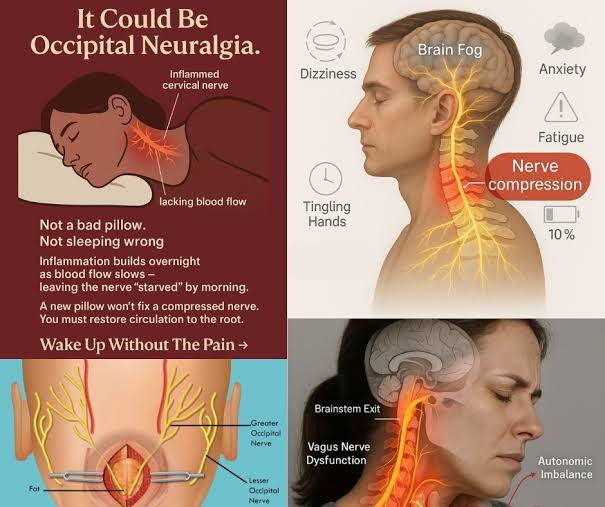
Nerve irritation can produce sensations described as pins and needles, burning, crawling, or electric shocks. Irritation involving nerves in the neck or scalp can sometimes cause unusual sensations in specific areas.
Headaches and migraines can also produce sensory symptoms. Some people experience tingling or other neurological sensations around a migraine episode.
Stress and anxiety may also contribute to abnormal sensations. Changes in breathing during intense anxiety can produce tingling sensations in different parts of the body.
Skin irritation, tight hairstyles, pressure on the scalp, or certain dermatological conditions may also cause discomfort or altered sensation.
Because the possible causes are so varied, the phrase blood clot tingling sensation in head scalp should not be interpreted as a diagnosis.
When Scalp Tingling Could Be an Emergency
The most important issue is not simply whether your scalp tingles, but how suddenly it started and what other symptoms occur at the same time.
If tingling begins suddenly and is accompanied by facial drooping, weakness or numbness in an arm or leg, difficulty speaking, confusion, vision problems, severe dizziness, loss of balance, or a sudden severe headache, emergency medical attention is necessary.
A simple way to remember major stroke warning signs is FAST: facial drooping, arm weakness, speech difficulty, and time to seek emergency help. Every minute can matter during a stroke.
Do not wait for these symptoms to disappear before seeking help. Temporary symptoms can sometimes represent a TIA, which can be a warning sign of a future stroke.
Blood Clot vs. TIA vs. Stroke
Understanding these terms can make searches for blood clot tingling sensation in head scalp less confusing.
An ischemic stroke occurs when blood flow to part of the brain is blocked long enough to cause brain injury. A TIA also involves temporary interruption of blood flow, but symptoms typically resolve without permanent brain damage.
Importantly, a person cannot reliably determine at home whether sudden neurological symptoms are a TIA or stroke. Medical assessment is necessary. Mayo Clinic recommends immediate medical attention when TIA symptoms are suspected, even if they disappear.
This is why sudden scalp tingling accompanied by neurological changes should be treated seriously rather than monitored casually at home.
Sudden Severe Headache and Neurological Symptoms
Another important warning sign associated with serious conditions affecting the brain is a sudden, extremely severe headache.
A subarachnoid hemorrhage, which involves bleeding around the brain, can cause a sudden and severe headache that reaches maximum intensity quickly. It is a medical emergency.
Therefore, someone searching blood clot tingling sensation in head scalp should pay attention not only to tingling but also to the presence of an abrupt, unusually severe headache, vomiting, neck stiffness, loss of consciousness, vision changes, or other sudden neurological symptoms.
These symptoms require urgent evaluation.
When Should You See a Doctor?
Not every scalp tingling sensation requires an emergency visit. However, unexplained symptoms that persist, repeatedly return, become more intense, or occur with other neurological changes deserve medical evaluation.
Mayo Clinic advises seeking medical attention for numbness that begins suddenly, particularly when accompanied by weakness, paralysis, confusion, speech difficulty, dizziness, or a sudden severe headache.
A healthcare professional can consider your medical history, examine your nervous system, and determine whether further testing is appropriate.
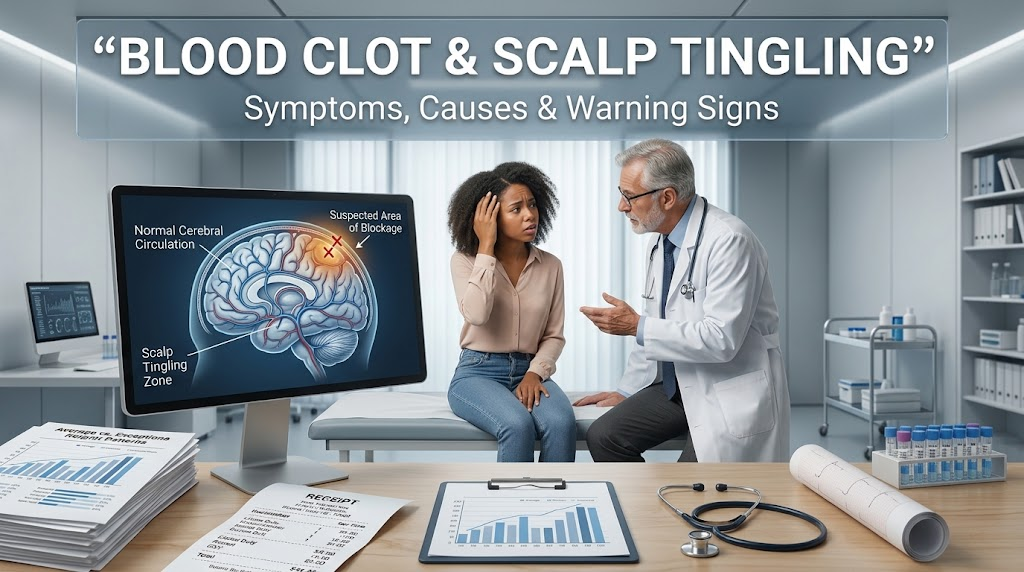
Depending on the symptoms, evaluation may involve neurological examination or imaging such as CT or MRI when a stroke or another brain-related problem needs to be ruled out.
How Doctors Investigate Possible Blood Clots
If doctors suspect a stroke or another vascular problem, they may use medical imaging and other tests to determine what is happening.
A CT scan or MRI can help evaluate the brain, while additional testing may examine blood vessels, heart rhythm, blood pressure, cholesterol, blood sugar, or other risk factors.
The exact evaluation depends on the symptoms and clinical situation. A scalp tingling sensation alone does not automatically mean that extensive testing will be necessary.
The key point is that a blood clot cannot be confirmed or ruled out simply by describing how the scalp feels.
Risk Factors for Blood Clots and Stroke
When considering blood clot tingling sensation in head scalp, it can also help to understand general stroke risk factors.
High blood pressure, smoking, diabetes, high cholesterol, certain heart conditions, physical inactivity, and a previous stroke or TIA can increase stroke risk. Atrial fibrillation, for example, can contribute to blood clots that travel to the brain.
Having a risk factor does not mean that a person is currently experiencing a blood clot. Likewise, not having known risk factors does not completely eliminate the possibility of a serious neurological event.
Symptoms should therefore be evaluated according to their characteristics rather than risk factors alone.
What Should You Do About Scalp Tingling?
If the sensation is mild, familiar, and not accompanied by sudden neurological symptoms, arranging a routine medical evaluation may be appropriate, particularly if it continues or keeps returning.
Avoid trying to diagnose the cause based solely on internet searches. Many different conditions can produce similar sensations.
If symptoms appear suddenly alongside facial weakness, arm or leg weakness, speech problems, vision changes, severe dizziness, loss of balance, or a sudden severe headache, seek emergency medical care immediately.
Conclusion
The phrase blood clot tingling sensation in head scalp can sound alarming, but scalp tingling alone does not prove that a blood clot is present.
Abnormal scalp sensations can have numerous causes, including nerve irritation, headaches, migraine, stress, and local skin or pressure-related problems. At the same time, sudden numbness or tingling accompanied by weakness, speech difficulty, vision changes, severe headache, dizziness, or balance problems can be a warning sign of stroke or TIA and should be treated as an emergency.
If you are experiencing a new or sudden neurological symptom right now, do not rely on this article for diagnosis. Seek urgent medical evaluation, especially when multiple warning signs occur together.
FAQs About Blood Clot Tingling Sensation in Head Scalp
Can a blood clot cause scalp tingling?
A stroke caused by a blood clot can produce numbness or abnormal sensations, but isolated scalp tingling does not specifically indicate a blood clot.
Is scalp tingling a sign of stroke?
It can occur with neurological problems, but stroke more typically causes sudden weakness or numbness, often on one side, along with possible speech, vision, balance, or headache symptoms.
When is scalp tingling an emergency?
Seek emergency care when sudden tingling occurs with facial drooping, weakness, speech difficulty, vision changes, severe headache, dizziness, or loss of balance.
Can anxiety cause scalp tingling?
Yes. Anxiety and changes in breathing can contribute to tingling sensations, although persistent or unexplained symptoms should still be discussed with a healthcare professional.
Should I see a doctor for recurring scalp tingling?
Yes, especially if the sensation is new, worsening, persistent, or accompanied by other neurological symptoms. A clinician can determine the appropriate evaluation.