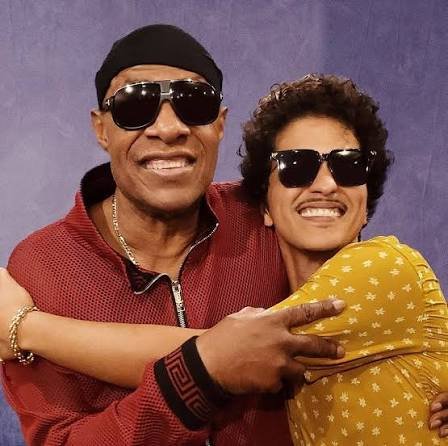
Few pairings capture the spirit of modern soul and funk quite like Bruno Mars and Stevie Wonder, two artists separated by generations but connected by a shared musical language. From Mars’ unmistakable Motown-inspired sound to Wonder’s public defense of him during one of the more heated debates of his career, the relationship between these two musicians runs deeper than a typical industry friendship. This article explores how Bruno Mars and Stevie Wonder are connected, both musically and personally, and why their bond has resonated so strongly with fans.
The Musical Influence Behind Bruno Mars and Stevie Wonder
To understand the connection between Bruno Mars and Stevie Wonder, it helps to start with sound itself. Mars has built much of his career on funk, soul, and R&B influences that trace directly back to legends like Wonder, incorporating layered instrumentation, falsetto vocals, and groove-heavy arrangements that echo classic Motown production. That influence isn’t subtle or accidental; it’s foundational to how Mars approaches songwriting and performance.
Wonder himself has acknowledged this lineage directly, noting that Mars was inspired by great musicians, artists, and songwriters who came before him. That kind of direct acknowledgment from a figure as influential as Wonder carries real weight, especially given how much of modern pop and R&B production owes a debt to the sonic templates Wonder helped establish decades earlier. Fans researching Bruno Mars and Stevie Wonder as a duo often find that the connection runs through shared musical DNA as much as any personal relationship.
Covers and Tributes to Stevie Wonder’s Legacy
Mars has never been shy about paying tribute to Wonder’s catalog directly. He has performed live covers of Wonder classics including “Isn’t She Lovely,” bringing his own vocal style to one of Wonder’s most beloved compositions. These kinds of tribute performances reflect genuine artistic respect rather than a passing reference, reinforcing just how central Wonder’s music has been to shaping the broader soul revival that artists like Mars helped bring back into the mainstream.
Beyond individual covers, both artists have shared major stages during career-spanning tribute events, including performances honoring legendary producer Quincy Jones at recent Grammy ceremonies. Watching Bruno Mars and Stevie Wonder appear together during moments like these highlights just how intertwined their musical worlds have become, even across a generational gap.
When Stevie Wonder Publicly Defended Bruno Mars
One of the most notable chapters in the story of Bruno Mars and Stevie Wonder came in 2018, during a heated public debate about cultural appropriation in music. The controversy began after writer Seren Sensei accused Mars of appropriating Black music during an appearance on the internet series The Grapevine, sparking a viral discussion that racked up millions of views. Mars, born in Honolulu to a father of Puerto Rican and Ashkenazi Jewish descent and a Filipino mother, found himself at the center of a broader conversation about race, genre, and authenticity in the music industry.
Wonder didn’t stay on the sidelines of that debate for long. Speaking to TMZ outside a Beverly Hills restaurant, Wonder stated plainly, “God created music for all of us to enjoy.” That response, delivered by one of the most respected and influential Black musicians in American history, carried enormous cultural weight and helped shift the tone of the ongoing discussion around Mars’ artistry.
Why Wonder’s Defense Mattered So Much
What made Wonder’s comments particularly significant was his own history; having lived through the civil rights era and decades of witnessing genuine cultural exploitation, his perspective carried a credibility that few other voices in the debate could match. Wonder framed his support around the idea that Mars’ work reflected genuine artistic inspiration rather than exploitation, pointing to the way Mars publicly credited the producers and songwriters who shaped his sound.
Wonder’s stance reflected a broader belief that Mars’ clear reverence for the musicians who came before him, including public acknowledgment of legendary producers, distinguished genuine homage from cultural theft. That distinction, between paying tribute and simply taking without credit, became central to how many in the industry ultimately viewed the Bruno Mars and Stevie Wonder relationship following the controversy. For readers interested in how similar debates have played out with other artists over the years, our feature on genre-crossing musicians and cultural influence explores several comparable cases in more depth.
Shared Stages: Bruno Mars and Stevie Wonder at Major Award Shows
Beyond the 2018 controversy, Bruno Mars and Stevie Wonder have continued crossing paths at major industry events, particularly during career-tribute performances that celebrate shared musical influences. Their appearances together at events honoring figures like Quincy Jones reflect the deep interconnectedness of the artists who’ve shaped modern American soul and pop music across multiple generations. These shared moments on stage tend to resonate strongly with fans who’ve followed both artists’ careers closely.
Mars, for his part, has continued building a catalog deeply rooted in the sonic traditions Wonder helped establish decades earlier. His most recent studio work, including 2026’s “The Romantic,” continues to draw on retro soul, funk, and disco influences that trace directly back to the era Wonder helped define. If you’re curious how Mars has evolved his sound across different eras of his career, our full breakdown of his studio discography traces that musical evolution album by album.
What This Connection Says About Musical Legacy
The relationship between Bruno Mars and Stevie Wonder ultimately reflects something larger about how musical traditions get passed down and reinterpreted across generations. Rather than viewing genre and style as fixed or exclusive, Wonder’s public support suggested a belief that music functions best as a shared, evolving language rather than something to be strictly gatekept. That philosophy has clearly shaped how Mars approaches his own artistry, consistently crediting his influences rather than obscuring them.
For readers who want to explore more of Stevie Wonder’s own extraordinary catalog and influence,offers a comprehensive look at his award history and lasting impact on American music.
Final Thoughts
The story of Bruno Mars and Stevie Wonder is really a story about musical lineage, respect, and the way genuine artistic influence transcends generational and genre boundaries. From Wonder’s public defense during a genuinely difficult moment in Mars’ career to their shared appearances honoring music’s biggest legends, their connection reflects mutual respect built on substance rather than mere celebrity association. As Mars continues evolving his sound while staying rooted in the soul traditions Wonder helped establish, their relationship remains a compelling example of how musical legacy gets honored and carried forward.
Frequently Asked Questions
Did Stevie Wonder ever defend Bruno Mars publicly?
Yes, in 2018 Wonder publicly defended Mars against cultural appropriation accusations, stating that music belongs to everyone.
Has Bruno Mars ever covered a Stevie Wonder song?
Yes, Mars has performed live covers of Wonder’s classic songs, including “Isn’t She Lovely.”
Why was Bruno Mars accused of cultural appropriation?
Critics argued his sound borrowed heavily from Black musical traditions without full recognition, a claim Mars and several prominent Black artists pushed back against.
Have Bruno Mars and Stevie Wonder performed together?
Yes, both artists have appeared together during major tribute performances at award shows honoring shared musical influences.
What genre connects Bruno Mars and Stevie Wonder musically?
Both artists are closely associated with soul, funk, and R&B traditions, with Mars often citing Wonder-era influences in his sound.
more related blog